Spatial Technologist & Scenographer · MAS ETH DFAB Alumnus
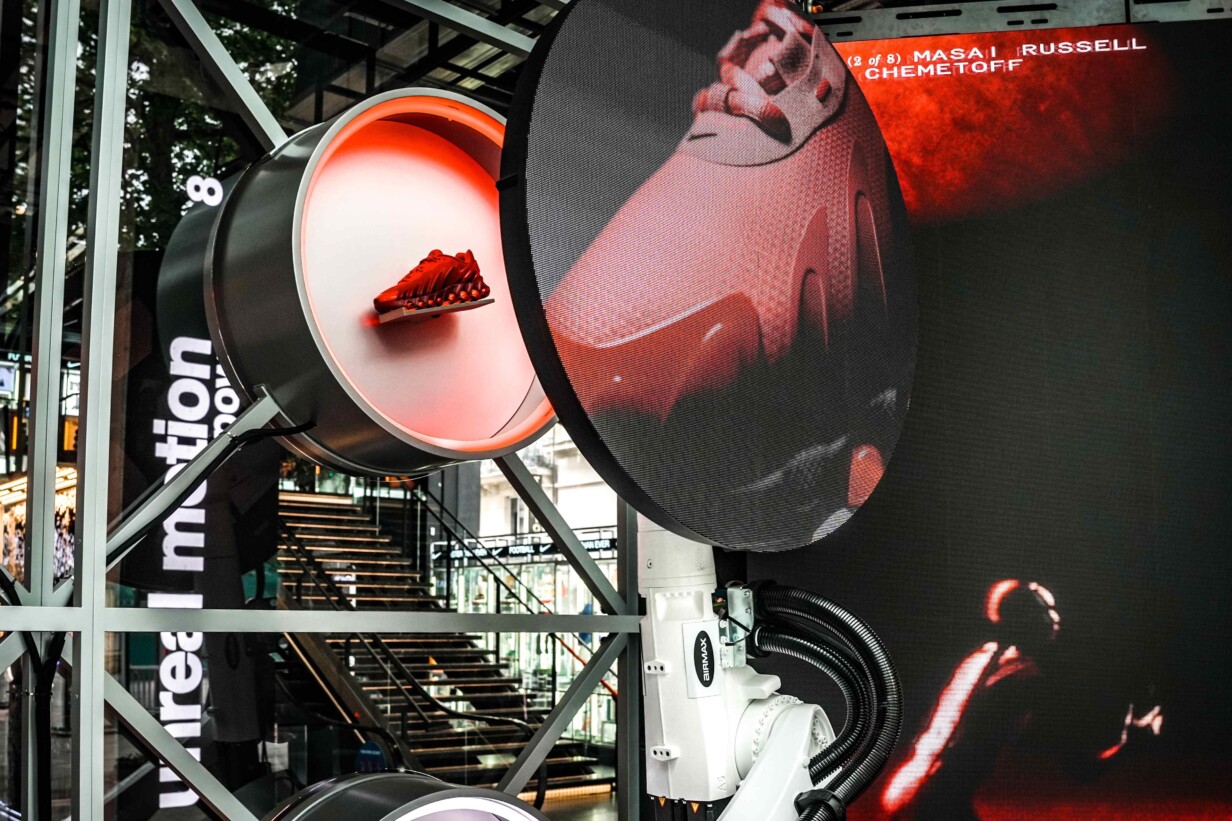
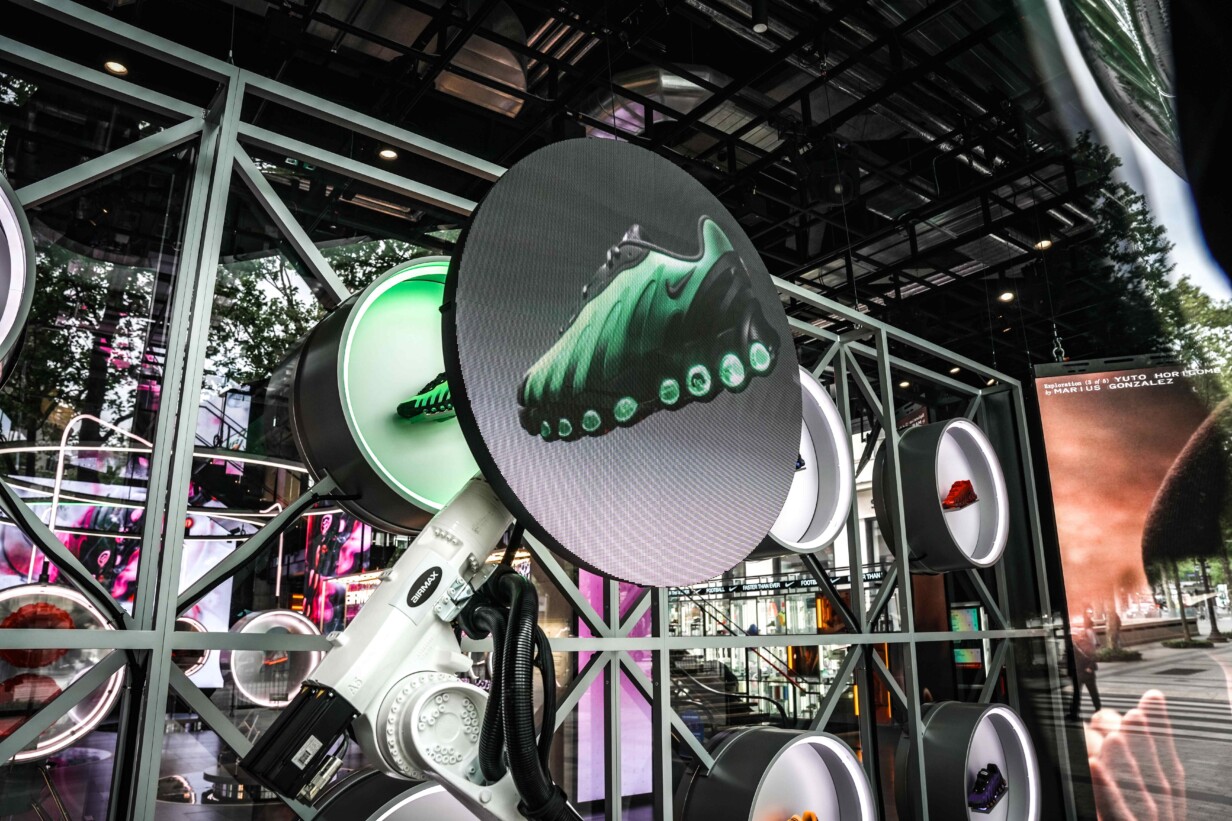
Retail flagships rely too often on standard touchscreens mounted to walls or pedestals. Consumers touch greasy glass panes that exhibit high glare, sluggish touch response, and zero tactile resistance. Flat screens reduce premium products to digital catalog pages. Physical computing replaces this approach by turning architectural surfaces and product mounts into responsive physical interfaces.
The Limitation of Glass Interfaces
A glass tablet invites anonymous tapping rather than physical engagement. In high-traffic environments, touchscreens degrade rapidly. Fingerprints obscure displays, capacitive layers drift out of calibration, and visitors spend seconds reading flat menus instead of experiencing materials.
Physical computing uses tangible objects as controllers. When a visitor picks up a shoe or turns a milled metal dial, the object itself carries the interface. Mechanical feedback replaces visual prompts.
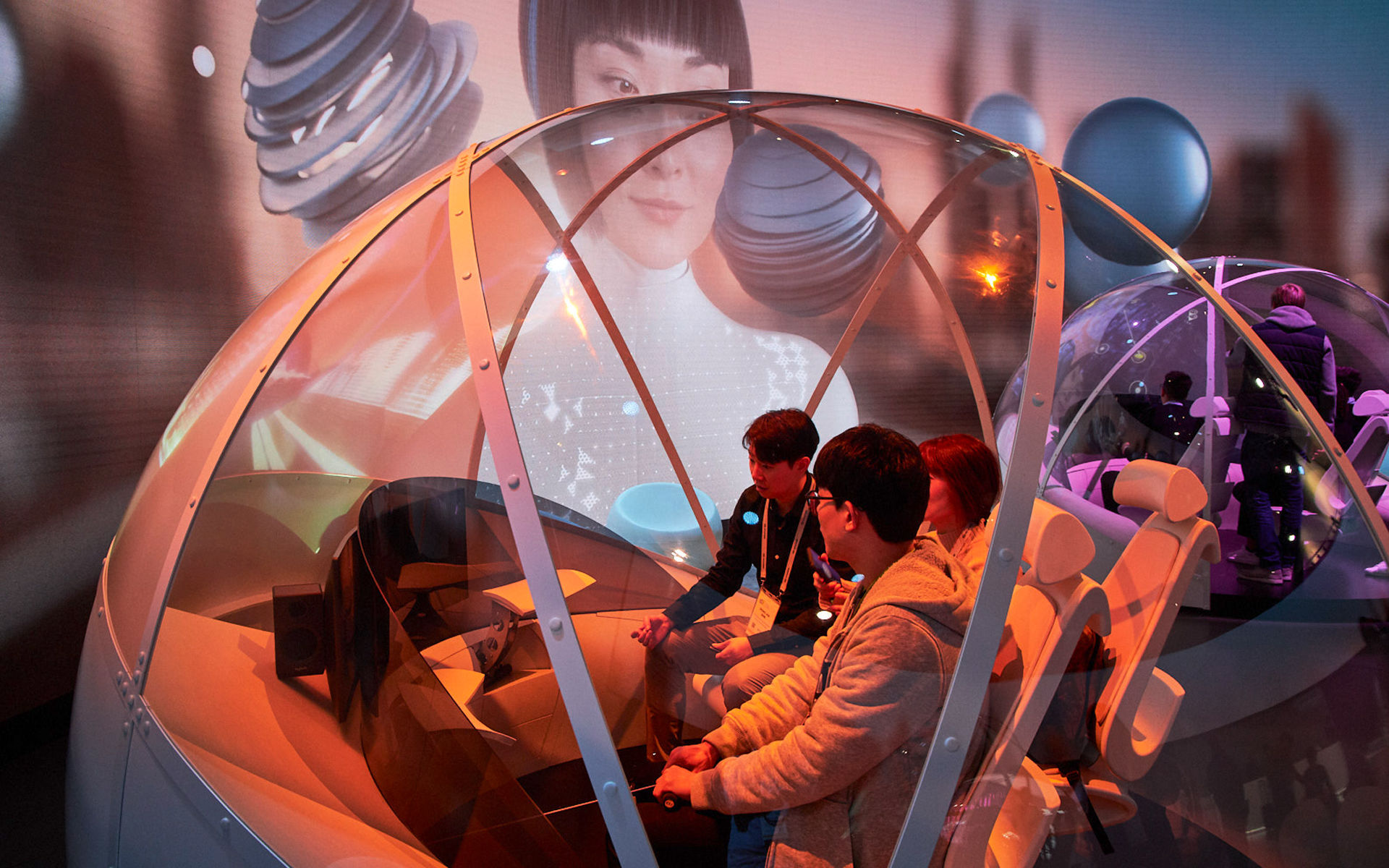
Interactive product pod
Core Hardware Architecture
Building durable retail installations requires industrial-grade microcontrollers and sensors. Engineers deploy ESP32 units paired with mmWave radar for proximity detection and load cells to measure weight shifts on display tables.
Microcontrollers: ESP32 and Teensy 4.1 handle low-level sensor reading and serial communication.
Actuation: Stepper motors and linear actuators provide physical resistance and haptic feedback.
Protocol Layer: UDP packets sent at sixty hertz connect sensor data to media servers running TouchDesigner or Unreal Engine 5.
Spatial Control and Lighting Synchronization
When visitors lift an item from a display pedestal, optical sensors and radar arrays register the event instantly. The room responds through DMX lighting grids and spatial audio channels. Lighting fixtures shift color temperature to accent material textures, while speakers project directional soundscapes.
Retail flagships demand hardware that runs sixteen hours daily without maintenance crashes. Capacitive touch panels require frequent re-calibration and software updates. Solid-state sensors, optical encoders, and microcontroller clusters operate reliably across millions of interaction cycles.
Creative technologists prioritize physical affordances over flat UI layers. By embedding sensors directly into architectural materials, stores become responsive physical spaces where every touch triggers immediate mechanical and spatial feedback.
Frequently Asked Questions
Why do touchscreens fail in high-traffic retail flagships?↓
Touchscreens suffer from smudges, high latency, poor outdoor or high-lux legibility, and a lack of physical affordance. Visitors treat them like public kiosks rather than luxury brand touchpoints.
What hardware components drive physical computing retail installations?↓
Installations rely on ESP32 microcontrollers, mmWave radar arrays for contactless tracking, 6-axis IMU gyroscopes embedded in products, linear actuators for haptic resistance, and DMX lighting controlled via UDP at sixty hertz.
How do physical installations synchronize lighting and sound?↓
Real-time engines like TouchDesigner or Unreal Engine 5 process sensor inputs from physical objects and transmit Art-Net or UDP packets to lighting consoles and multi-channel audio processors within sub-millimeter tolerances.